
Common symptoms
Many of these overlap with other conditions, so a careful evaluation matters.
- Stuffy nose, cough, wheezing or itchy eyes
- Fatigue, headaches and brain fog
- Dizziness, digestive upset or skin rashes
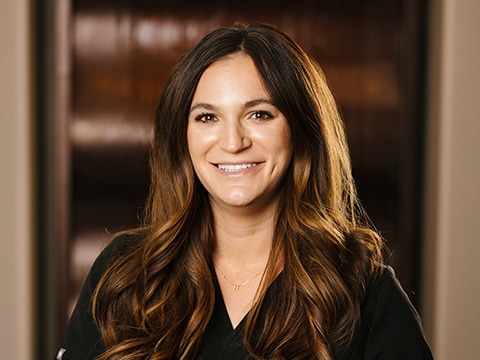
Damp buildings can affect your health. At Live Well, Dr. Jessica Schrand evaluates mold-related symptoms with a whole-person approach, and is open about what is well proven and what is not.
Read patient reviews on Google
Dr. Jessica Schrand evaluates patients with complex, long-lasting symptoms.
Living or working in a damp, moldy building can affect your health.
If you feel worse in a certain building, it is worth talking to a provider.
Many of these overlap with other conditions, so a careful evaluation matters.
According to the CDC, mold can cause stronger reactions in people with:
Start with what you have noticed.
Symptoms ease when you are away from a home or workplace.
A useful clue worth sharing with your provider.A leak, flood or musty smell in your home or office.
Fixing the source comes first.You have been to several doctors without clear answers.
Chronic fatigue careCongestion, cough or wheezing that seems tied to your space.
These effects have the strongest evidence.You want a whole-person look, including infections and hormones.
Lyme care · CIRSBook a free Meet N Greet and we will help you decide.
See pricingHere is what is known, and what is still debated.
The World Health Organization found that people living in damp or moldy buildings have a higher risk of respiratory symptoms and asthma, and it advises preventing and fixing dampness.
Mold can cause a stuffy nose, sore throat, cough or wheeze, itchy eyes and rashes. People with asthma or mold allergy can have stronger reactions.
The CDC does not recommend routine mold testing, because it cannot show who will get sick. If you see or smell mold, remove it and fix the moisture problem.
In 2025 the American College of Medical Toxicology said there is no toxicological evidence, diagnostic test or treatment to support inhaled mycotoxins as a cause of systemic toxicity from indoor mold. It warned against unvalidated tests and costly unproven detox treatments.
CIRS is a term some clinicians use for chronic multi-system illness after water-damage exposure. It is not universally accepted, and research is limited.
We take your symptoms seriously, look for all possible causes, and tell you plainly where evidence is strong and where it is limited.
Sources are listed at the bottom of this page.
We start with your story and your environment.
Share your symptoms, when they started and where you feel worse.
We talk about water damage, odors, inspections and any cleanup done so far.
Labs may check thyroid, hormones, blood counts, infections and more.
We discuss which tests may help and what each can and cannot tell us.
The plan covers cleanup guidance, symptom care and follow-up with you.
Each test answers a different question.
| Test | What it looks at | What to know |
|---|---|---|
| Exposure history and building inspection | Water damage, odors and visible mold | A qualified inspector can check the building. The CDC does not recommend routine mold sampling. |
| Allergy and asthma evaluation | Allergic response and lung function | This is where evidence is strongest. |
| Standard labs | Thyroid, hormones, blood counts and other causes | Helps find explanations that are not mold-related. |
| Nasal evaluation | Sinus swabs for certain organisms | Some clinicians use this. Evidence for it is limited. |
| Urine mycotoxin tests | Mold-related substances in urine | Evidence that results show illness is limited, so we discuss this before ordering. |
Educational only. Your provider recommends tests based on your history.
Plain-language notes on what each is and how well supported it is.
| Approach | What it is | Evidence and what to know |
|---|---|---|
| Fixing the building | Finding and removing moisture and mold | The most important step. Recommended by the CDC and WHO. |
| Allergy and sinus care | Treating congestion, allergy and asthma symptoms | Well-established for allergic effects. |
| Nutrition and lifestyle | Diet, sleep, movement and stress support | Supports overall health. Not specific to mold. |
| Supplements and botanicals | Nutrient and plant-based support | Evidence is limited. Tell us everything you take. |
| Antifungal medication | Prescription or herbal antifungals | Used selectively and only when there is a clear reason. Evidence for mold illness is limited. |
| IV nutrition | Vitamins and minerals by IV | Evidence is limited. Learn about IV therapy |
Which approaches we use depends on your evaluation. Ask about the evidence for each.
Many things can cause the same symptoms.
We help you think through inspection, cleanup and prevention.
Staying in the problem space can slow recovery.Thyroid and hormone problems can look a lot like mold symptoms.
Thyroid careVisits to check progress, review results and adjust the plan.
Plans change as you do.A little preparation helps your provider see the full picture.
Write down where and when your symptoms are better or worse.
Knowing what is and is not proven helps you decide.
Some tests and treatments used for mold-related illness have limited or no controlled evidence. We explain this before you decide.
Prescription antifungals can cause side effects and interact with other drugs. Your provider reviews your history and monitors you.
Specialists warn against expensive unproven detox products. Ask what evidence supports any treatment, from any provider.
Symptoms such as fatigue and brain fog have many causes. Missing a treatable one is the bigger risk, so we look broadly.
Start with a brief conversation or schedule a full visit.
A short conversation to ask whether we can help with your concerns.
A health history, evaluation and plan. Labs, testing and treatments are priced separately.
Labs, testing and treatments are priced separately. Pricing is subject to change. Review payment options and ask for an estimate.
Experience, results and licensed providers.
More than a decade of caring for patients in Chandler.
Patients rate us 4.9 on Google. Read the reviews.
Our NMDs look at your whole health, not one symptom.
People use the term in different ways. The best-established effects of damp buildings are allergy and breathing problems. Some clinicians use "mold illness" or CIRS for broader, longer-lasting symptoms, which remains debated. We evaluate your symptoms and exposure together and look for all possible causes.
A helpful clue is symptoms that ease when you are away from a building and return when you go back. Many other conditions cause the same symptoms, so a provider should check for them too.
The CDC does not recommend routine mold testing because it cannot show who will get sick. If you see or smell mold or have had water damage, remove it and fix the moisture problem. A qualified inspector can help find the source.
CIRS is a term some clinicians use for a chronic, multi-system illness after exposure to water-damaged buildings. It is not universally accepted and research is limited. We explain what is and is not known before any testing or treatment.
That depends on your history. We may check allergy and asthma, standard labs for other causes, and sometimes other tests. We tell you what each test can and cannot show, and the evidence behind it.
The most important step is fixing the building. Beyond that, your plan may include allergy and sinus care, nutrition and lifestyle support, and, selectively, other approaches. Evidence is limited for some of them, and we say so.
It varies, and we cannot promise a timeline. Removing the exposure and treating other contributing problems usually come first.
Coverage varies by plan. We can provide a superbill for possible out-of-network reimbursement. See our payment options or call 480-752-7600.
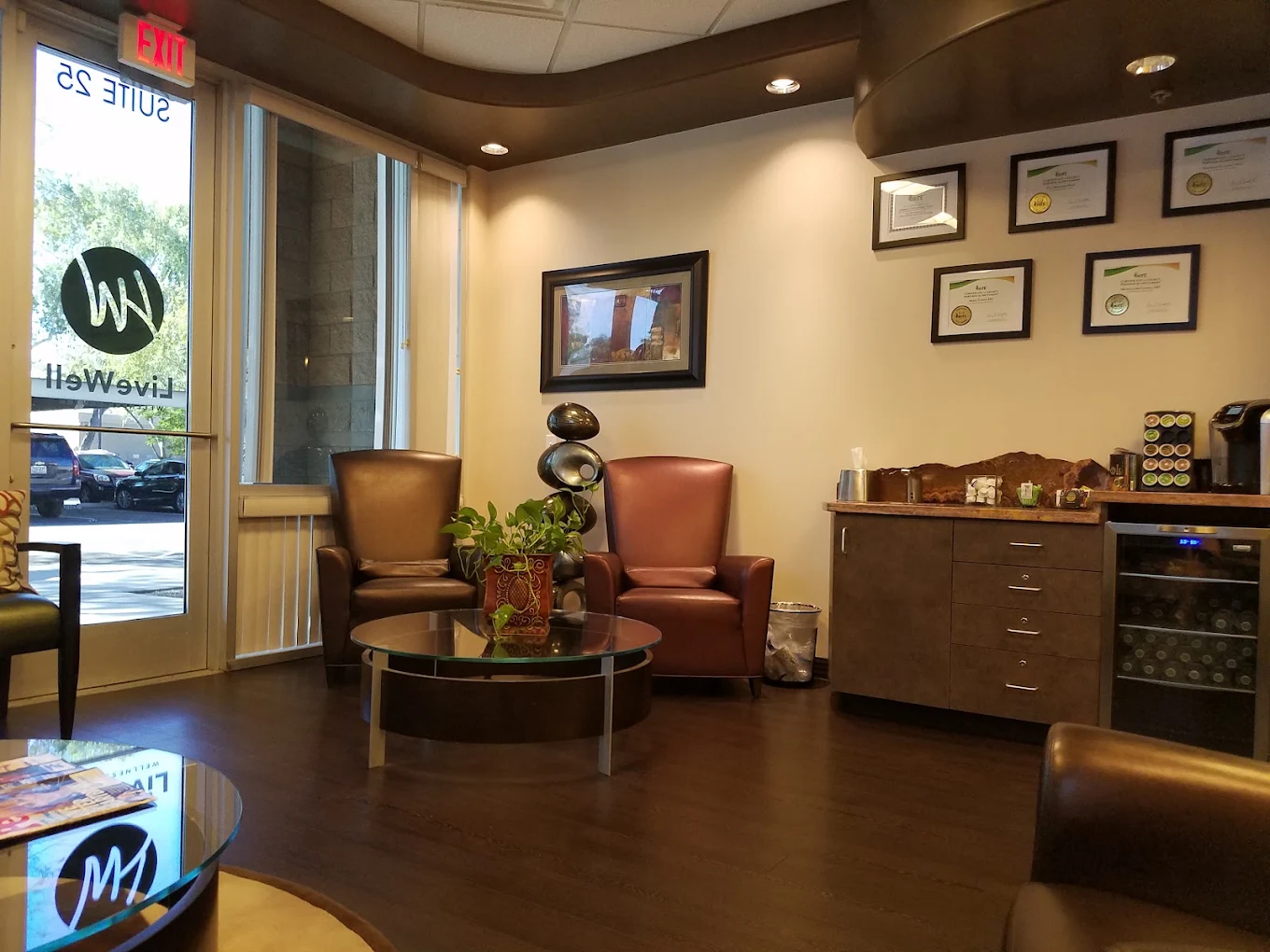
A look at where you will be seen.
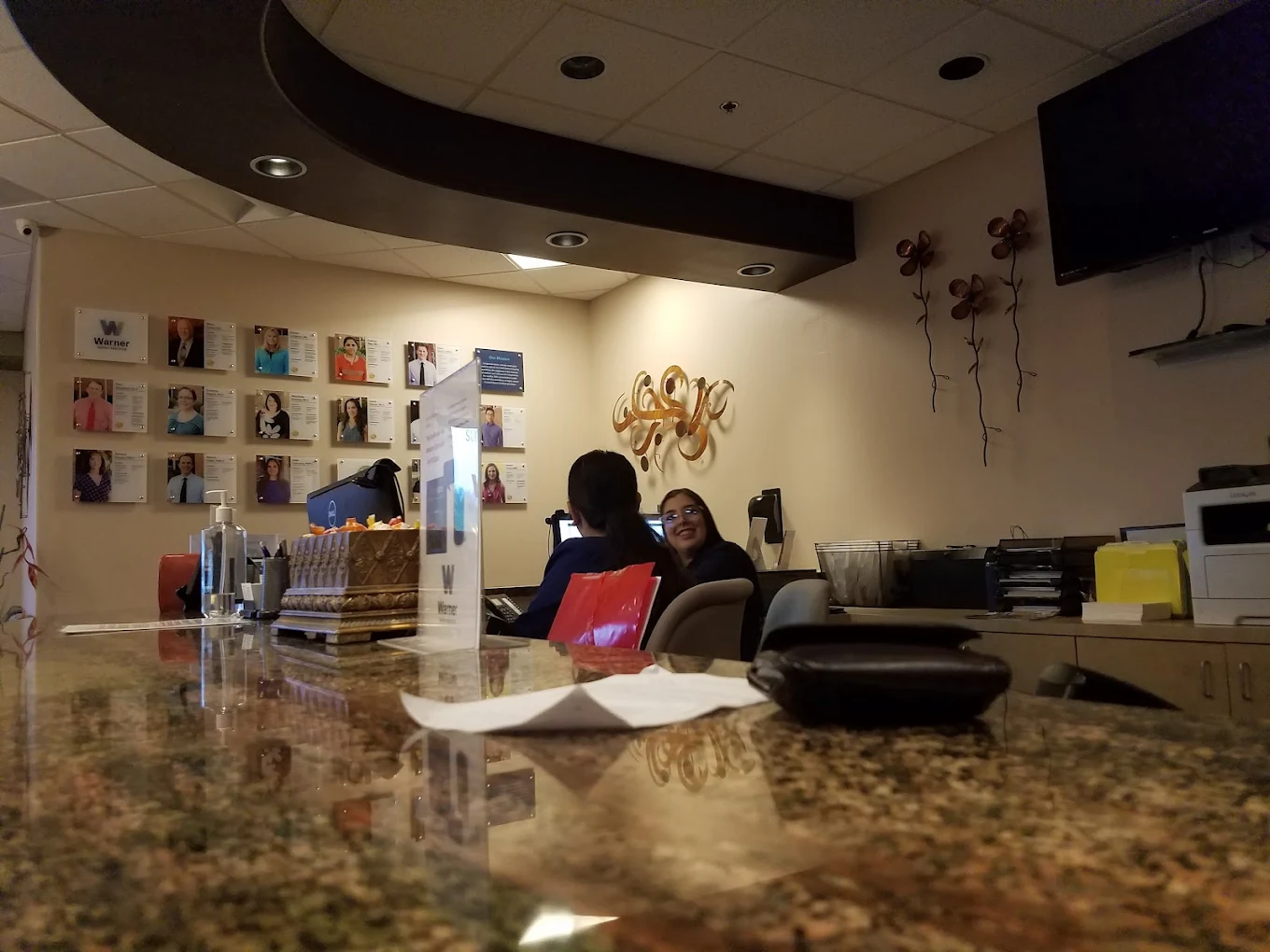
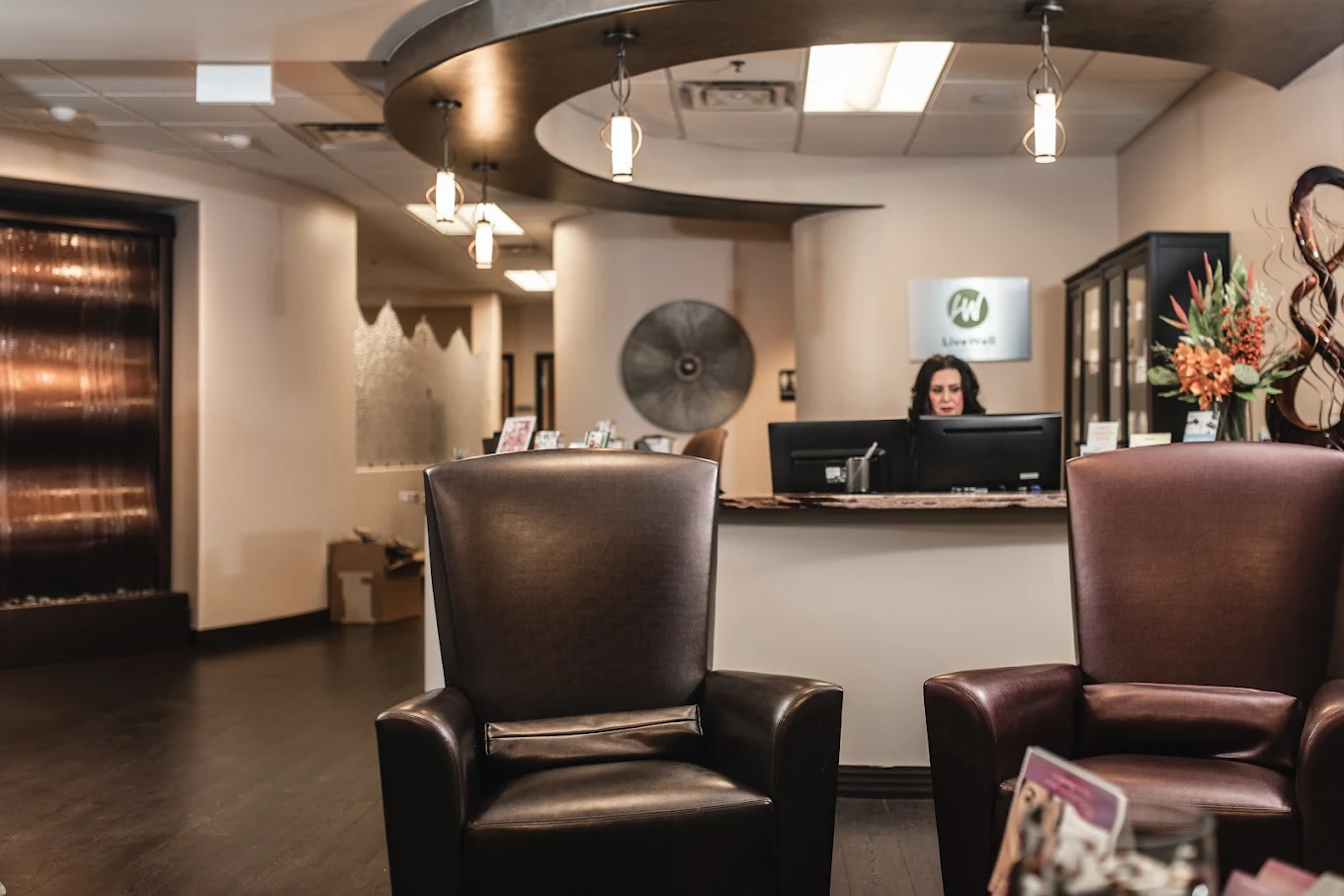
Live Well Wellness Center
2905 W Warner Rd, Suite 25
Chandler, AZ 85224
Convenient to Chandler, Gilbert, Tempe, Mesa, Scottsdale and Phoenix. Open Monday to Friday, 9:00 AM to 5:00 PM.
Start with a conversation about your symptoms and your environment, and we will tell you honestly what we can and cannot tell from testing.
2905 W Warner Rd, Suite 25
Chandler, AZ 85224
Monday to Friday
9:00 AM to 5:00 PM
Book online or call 480-752-7600. First visit: a free Meet N Greet or a new patient visit.
Last updated October 16, 2026. This page is for general information and is not medical advice. Individual results vary.