



Common signs
ED can look like:
- Getting an erection sometimes, but not every time
- An erection that does not last long enough for sex
- Being unable to get an erection at all
Our in-office treatment uses a combination of mechanical waves and sound waves to address the blood-flow side of erectile dysfunction, without pills, needles or surgery. ED is extremely common, and we start by finding out what may be behind it.
Read patient reviews on Google
Call our office to learn more about this treatment and find out if you might be a candidate.
Erectile dysfunction (ED) is often the result of poor blood flow to the penis. When blood vessels narrow, erections can be difficult, and sometimes impossible, to maintain.
Our treatment is a non-invasive, office-based procedure. It delivers a unique set of sound waves to the treatment area, with the goal of encouraging new blood vessel growth in the penis shaft so a man can achieve and maintain firm erections.

If this keeps happening, it is worth talking to a provider. You are not alone.
ED can look like:
Let your provider know if you:
Start with what you have noticed.
You can get an erection sometimes, but not reliably.
A common pattern worth checking out.It starts, but does not last long enough.
Often linked to blood flow.They did not work, caused side effects, or you would rather avoid them.
Non-drug options are worth discussing.ED along with fatigue, mood or muscle changes.
Hormones can play a part. Hormone careDiabetes, high blood pressure or high cholesterol.
Treating these can help.Book a free Meet N Greet and we will help you decide.
See pricingHere is what is well established, and what is still being studied.
The American Urological Association says vascular disease is the most common underlying cause. Smoking, nerve problems, hormone problems, medicines and mental health also contribute.
The AUA advises that ED is a risk marker for underlying cardiovascular disease, and the NIH notes it can be a symptom of another health problem. That is why a full evaluation matters.
Guidelines recommend lifestyle changes such as diet and more physical activity, checking a morning testosterone level, and offering FDA-approved oral medicines unless they are not safe for you.
In its 2018 guideline the AUA says low-intensity shock wave therapy for ED should be considered investigational (a conditional recommendation, low-certainty evidence). Research is continuing.
Some men report benefit and prefer a non-drug, non-surgical option. We explain the evidence honestly so you can decide, and we also review other options.
We take ED seriously, look for causes, and do not promise results. If another approach is better supported for you, we will say so.
Sources are listed at the bottom of this page.
We start with a private conversation, then decide together whether sound wave therapy is right for you.
Share what you have noticed and what you have tried. Nothing is too small or too embarrassing.
We review your history and may check labs such as testosterone, blood sugar, cholesterol and thyroid.
We go over lifestyle, medications, treating underlying causes and sound wave therapy, and the evidence for each.
Some patients report benefits after as few as six treatments, twice a week. Each treatment takes about 15 to 20 minutes in our office. Coupling gel is applied, then pulse waves are delivered with a handheld applicator moved over the area in a circular motion.
We check how you are doing, review results, and change the plan if it is not helping.
Experiences vary, and results are not guaranteed.
Improved erectile function, increased stimulation, decreased pain and improved satisfaction.
Individual results vary.No pills, needles or surgery. Done in our office with a handheld applicator.
About 15 to 20 minutes per treatment, with no anesthesia or recovery time reported.
Some patients report these changes after a series of treatments. Research on benefit for ED is still developing.
The same technology is used for other purposes. Ask which, if any, may apply to you.
The technology is also used to support circulation and tissue healing.
It is used in some settings to ease pain and muscle tension.
Sound wave technology has additional uses in medicine. Ask whether any apply to you.
Evidence varies by use. Your provider will tell you what is well supported and what is not.
A little preparation helps your provider see the full picture.
Everything you share stays private. Nothing you tell us is too small or too embarrassing.
Knowing the limits helps you decide.
The AUA considers low-intensity shock wave therapy for ED investigational. Ask which device is used and what is known about it.
ED can be linked to heart disease and diabetes. Treating only the symptom could miss a treatable cause.
Some ED medicines are not safe with certain heart medicines, such as nitrates. Tell us everything you take.
Experiences vary. If this is not helping after a reasonable trial, we will say so and discuss other options.
Start with a brief conversation or schedule a full visit.
A short, private conversation to ask whether we can help with your concerns.
A health history, evaluation and plan. Labs and treatment series are priced separately.
Treatment series are quoted by our team, so call 480-752-7600 for current pricing. Pricing is subject to change. Review payment options and ask for an estimate.
Experience, patient feedback and licensed providers.
More than a decade of caring for patients in Chandler.
Patients rate us 4.9 on Google. Read the reviews.
A confidential, judgment-free conversation with a licensed naturopathic doctor.
ED is trouble getting or keeping an erection firm enough for sex. It is extremely common and often treatable. Having it sometimes is not unusual, but if it keeps happening, it is worth talking to a provider.
Poor blood flow is the most common cause. Narrowed blood vessels make erections hard to get or keep. Other causes include diabetes, high blood pressure, low testosterone, nerve problems, some medicines, smoking, alcohol, stress, anxiety and depression. Often more than one thing is involved, so we look at the whole picture.
It can. ED may be an early sign of problems with the heart and blood vessels, which is why we look at your overall health and may recommend checking blood pressure, blood sugar and cholesterol. Seek urgent care for chest pain or trouble breathing.
It is a non-invasive, office-based treatment that uses a combination of mechanical and sound waves delivered to the treatment area. The goal is to encourage new blood vessel growth and improve blood flow in the penis, which may help a man achieve and maintain firm erections.
Research is still developing. Some men report better erections, but the American Urological Association's 2018 guideline says low-intensity shock wave therapy should be considered investigational, and there is no guarantee it will work for you. We discuss the evidence openly and also review other options, including medications and treating underlying causes.
Some patients report benefits after as few as six treatments, given twice a week. Each treatment is done in our office and takes about 15 to 20 minutes. Your provider will tell you what to expect for your situation.
Coupling gel is applied, then a handheld applicator delivers pulse waves and is moved over the treatment area in a circular motion. Tell your provider if anything feels uncomfortable.
It can contribute. Guidelines recommend checking a morning testosterone level in men with ED. If it is low, treating it may help, and we can discuss hormone options. Learn more about our hormone care on the hormone replacement therapy page.
Yes, we treat this as a private medical matter. Your first visit can be a free 20-minute Meet N Greet or a $320 60-minute new patient visit. Treatment series and labs are priced separately, so call 480-752-7600 for current pricing. Coverage varies by plan and may not include this treatment, and we can provide a superbill for possible out-of-network reimbursement.
A look at where you will be seen.
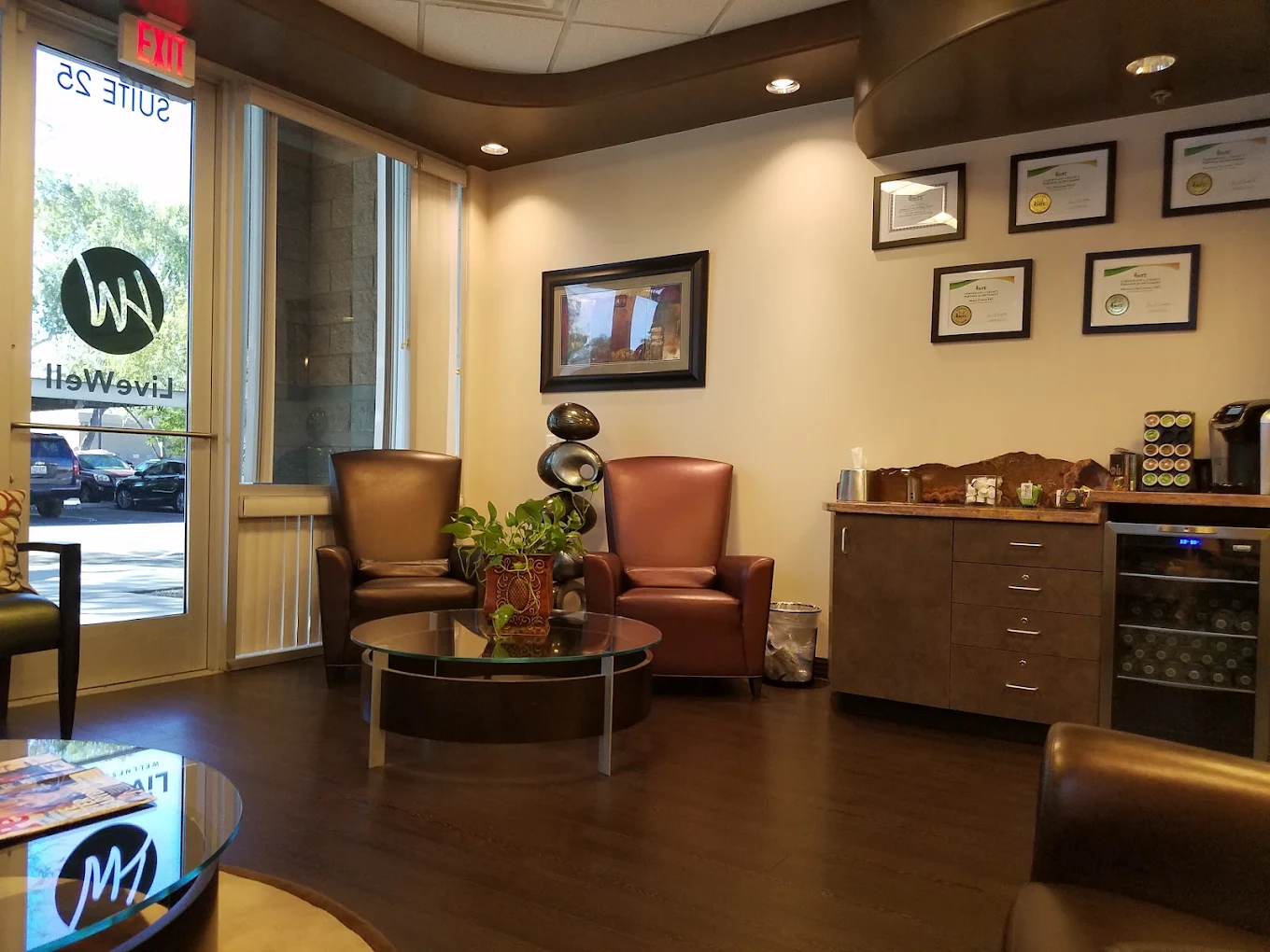
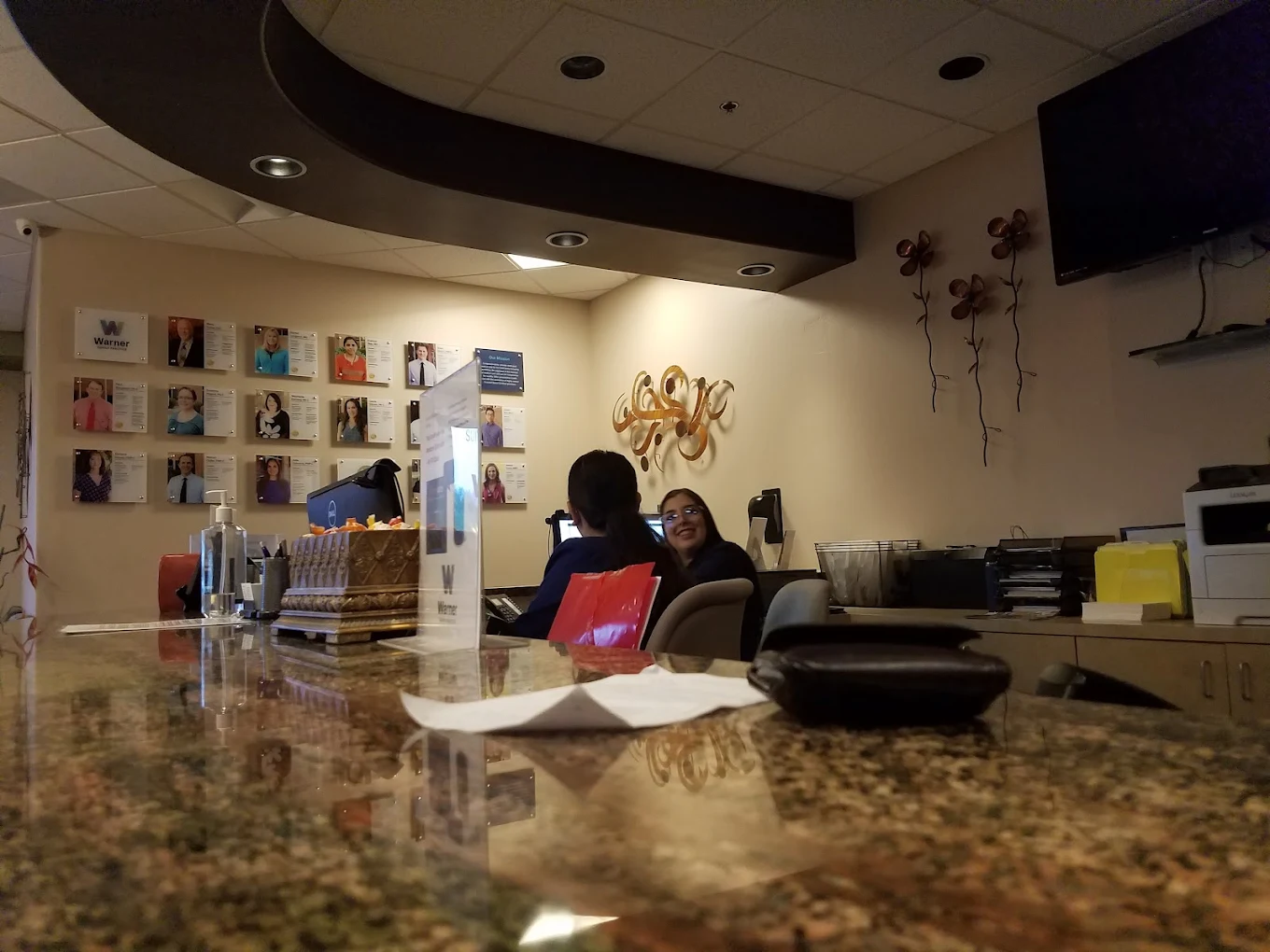
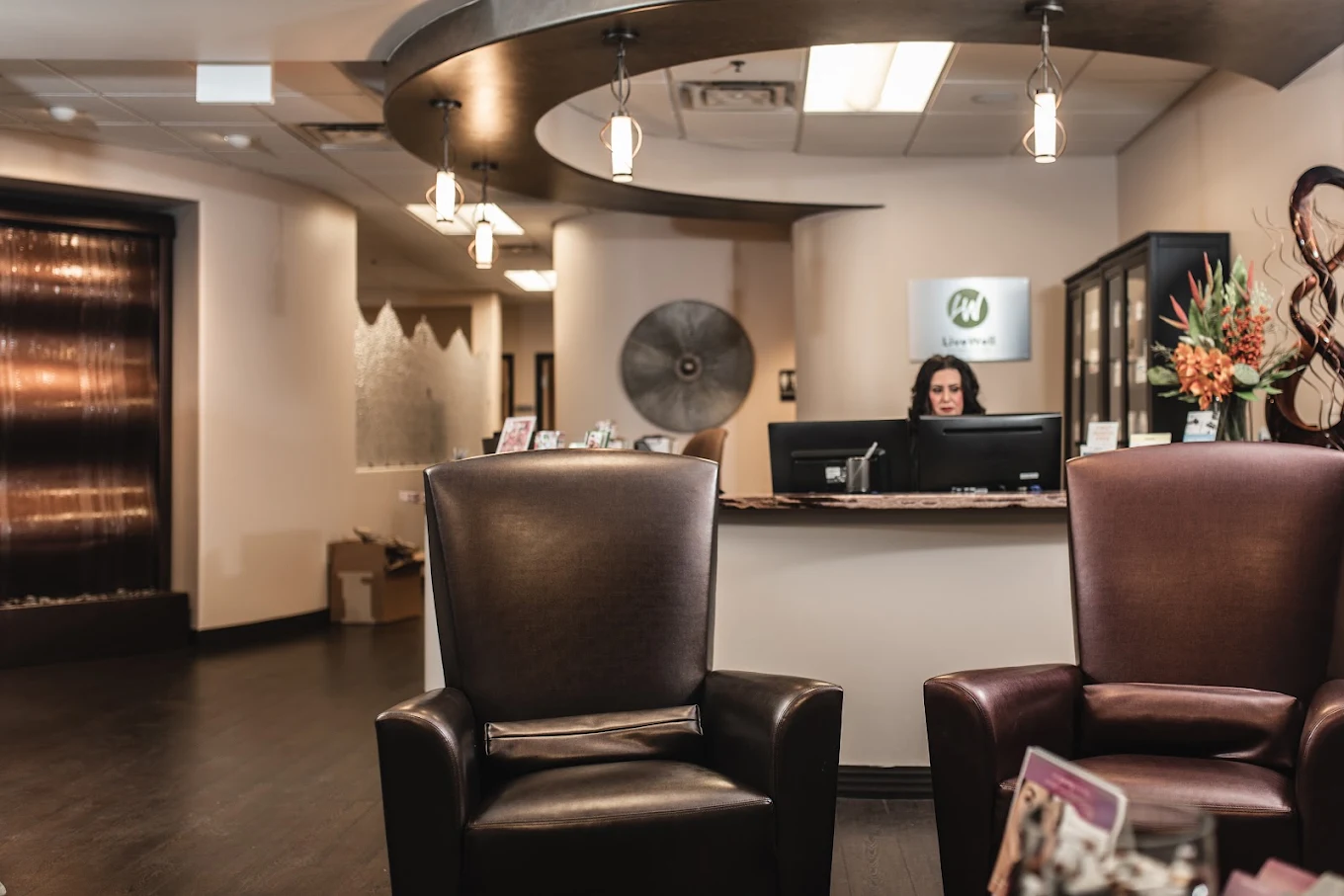
Live Well Wellness Center
2905 W Warner Rd, Suite 25
Chandler, AZ 85224
Convenient to Chandler, Gilbert, Tempe, Mesa, Scottsdale and Phoenix. Open Monday to Friday, 9:00 AM to 5:00 PM.
Call our office today to schedule a private conversation and find out whether this treatment, or another approach, may be right for you.
Last updated October 18, 2026. This page is for general information and is not medical advice. Individual results vary.