

Perimenopause
The transition. Estrogen and progesterone begin to fluctuate and periods become irregular. It can start several years before menopause.
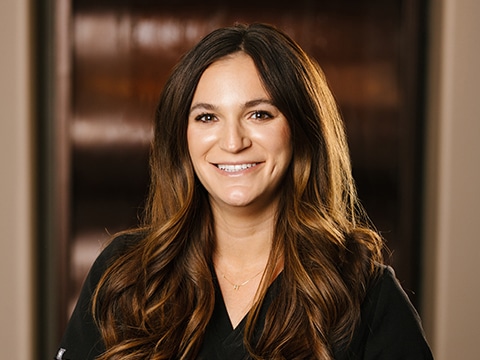
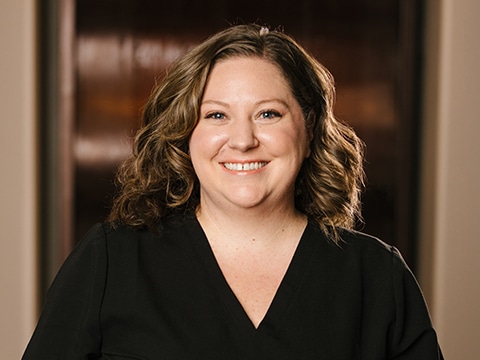
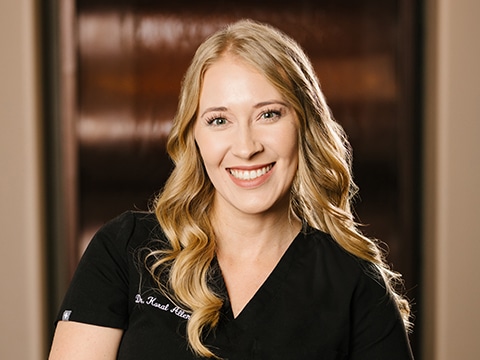
Hot flashes, mood swings, poor sleep and weight changes are common during perimenopause and menopause, and you do not have to just put up with them. At Live Well Wellness Center, our experienced team offers empathetic support to women in Chandler, Gilbert, Scottsdale, Phoenix and the Salt River Valley.
Read patient reviews on Google
Menopause does not have to stop you from loving your life. Schedule an appointment with one of our providers.
Menopause happens when you stop having periods and are no longer fertile. It is a natural stage, and the transition around it can last years.
The transition. Estrogen and progesterone begin to fluctuate and periods become irregular. It can start several years before menopause.
The point when you have gone 12 months without a period. The average age is 51, and it usually happens between 45 and 55.
The years after. Some symptoms ease for many women, while bone health and heart health call for ongoing attention.
Every woman is different, and not everyone has every symptom.
Sudden waves of heat, flushing or sweating, often at night. One of the most common reasons women seek care.
Trouble falling or staying asleep, sometimes made worse by night sweats.
Mood swings, irritability, anxiety or feeling low that seem new or stronger than usual.
Weight gain, especially around the middle, and changes in skin and hair.
A drop in desire or changes in intimacy, which have several possible causes.
Dryness, irritation or discomfort during intercourse.
Trouble concentrating or finding words, which many women notice in midlife.
New or worse headaches and aching joints.
More urgency, leaking or bladder discomfort.
Most often it is recognized from your symptoms and cycle changes. We also make sure nothing else is missed.
We talk through your symptoms, your cycle history, how long this has been going on and how it affects your life.
Thyroid problems, iron levels, sleep issues, stress and some medicines can look like menopause, so we check.
Hormone tests are not required to diagnose menopause, and levels can fluctuate. We order labs when they will change decisions.
We go over hormone therapy, non-hormone options and lifestyle, with the benefits and risks of each.
We check how you feel, review results and adjust your plan as your body changes.
Here is what leading medical groups say, so you can decide with clear information.
The Menopause Society’s 2022 position statement says hormone therapy remains the most effective treatment for hot flashes and night sweats and for genitourinary symptoms, and helps prevent bone loss.
For women under 60 or within 10 years of menopause with no contraindications, the benefit-risk balance is favorable. It appears less favorable when started later, or after age 60.
Risks vary by type, dose, route, timing and your history, and hormone therapy can raise the risk of breast cancer and blood clots for some women. Treatment should be individualized and reviewed over time.
The NIH notes hormone therapy is no longer routine for everyone, and is now suited to women at low risk who have recently entered menopause.
The NIH lists non-hormone options for hot flashes, such as clonidine or gabapentin, plus practical steps like a cool sleep environment, regular routines and limiting caffeine and alcohol.
There is no single right answer. We explain what is well supported, what is not, and let you decide with clear information.
Sources are listed at the bottom of this page.
Your plan depends on your symptoms, health history and goals.
Replacing estrogen and progesterone is a main way to treat symptoms. It is individualized and not right for everyone.
Hormone replacement therapyBioidentical hormones are structurally identical to the ones your body makes. Pellets are placed under the skin and typically replaced about every three to four months.
Prescription non-hormone medicines, plus sleep, cooling and routine changes, can help some women with hot flashes.
Midlife weight change has many causes. We look at hormones, sleep, stress, thyroid and nutrition together.
Weight loss supportSome women add these to their plan for general wellness. Evidence for menopause symptoms is limited, and we say so.
IV therapy · PeptidesWrinkles and volume loss concern some women in midlife. Injectables such as Botox and fillers are available.
Botox & fillersWhich approaches we use depends on your evaluation. Ask about the evidence for each.
Small habits can make a real difference, whatever else is in your plan.
Keep your sleeping space cool, keep a regular routine and limit caffeine and alcohol, especially in the evening.
Weight-bearing exercise, calcium and vitamin D matter more as estrogen falls. Ask about a bone density test.
Heart disease risk rises after menopause, so blood pressure, cholesterol and activity deserve attention.
Stay on top of screenings and review your plan with a provider as your needs change.
Menopause is when you stop having periods and are no longer fertile. It is confirmed after 12 months without a period, and happens at an average age of 51, usually between 45 and 55. Perimenopause is the transition before it, when estrogen and progesterone levels begin to fluctuate and periods become irregular. It can start several years earlier.
Common ones include irregular periods, hot flashes and night sweats, sleep problems, mood changes, weight and body changes, low libido, vaginal dryness, discomfort during intercourse, trouble concentrating, forgetfulness, urinary changes, headaches and joint aches. Every woman is different, and not everyone has every symptom.
Most of the time it is recognized from your symptoms and changes in your cycle. Hormone blood tests are not required, and levels can fluctuate, so they are not always helpful in perimenopause. We may check thyroid and other labs to rule out other causes of how you feel.
The Menopause Society says hormone therapy is the most effective treatment for hot flashes and night sweats, for women who are good candidates. There are also non-hormone options, including certain prescription medicines such as gabapentin or clonidine, and practical steps such as keeping your sleeping space cool. We go over what fits your health history.
It depends on you. For women under 60 or within 10 years of menopause, the benefits generally outweigh the risks when there are no contraindications. Risks differ by type, dose, route, timing and your history, and hormone therapy can raise the risk of conditions such as breast cancer and blood clots for some women. We review your personal and family history and individualize the plan.
Bioidentical hormones are structurally identical to the hormones your body makes. They come in several forms, including pellets placed under the skin, which are typically replaced about every three to four months. Each form has pros and cons, and we explain what is known about each so you can choose.
If symptoms reduce your quality of life, it is time to talk with us. Also see a provider for heavy bleeding, periods very close together, spotting, periods lasting longer than a week, or any bleeding after menopause.
Yes, we look at both as part of the whole picture, including hormones, sleep, stress, thyroid and nutrition. Weight change and low libido have many causes in midlife, so we do not assume it is only hormones.
Your first visit can be a free 20-minute Meet N Greet or a $320 60-minute new patient visit. Labs and treatments are priced separately, so call 480-752-7600 for current pricing. We accept cash, Visa, Mastercard and Discover, and can provide a superbill for possible out-of-network reimbursement.
Your first visit can be a free 20-minute Meet N Greet or a $320 new patient visit (60 minutes). Labs and treatments are priced separately, and we are happy to talk through costs. See payment options or call 480-752-7600.
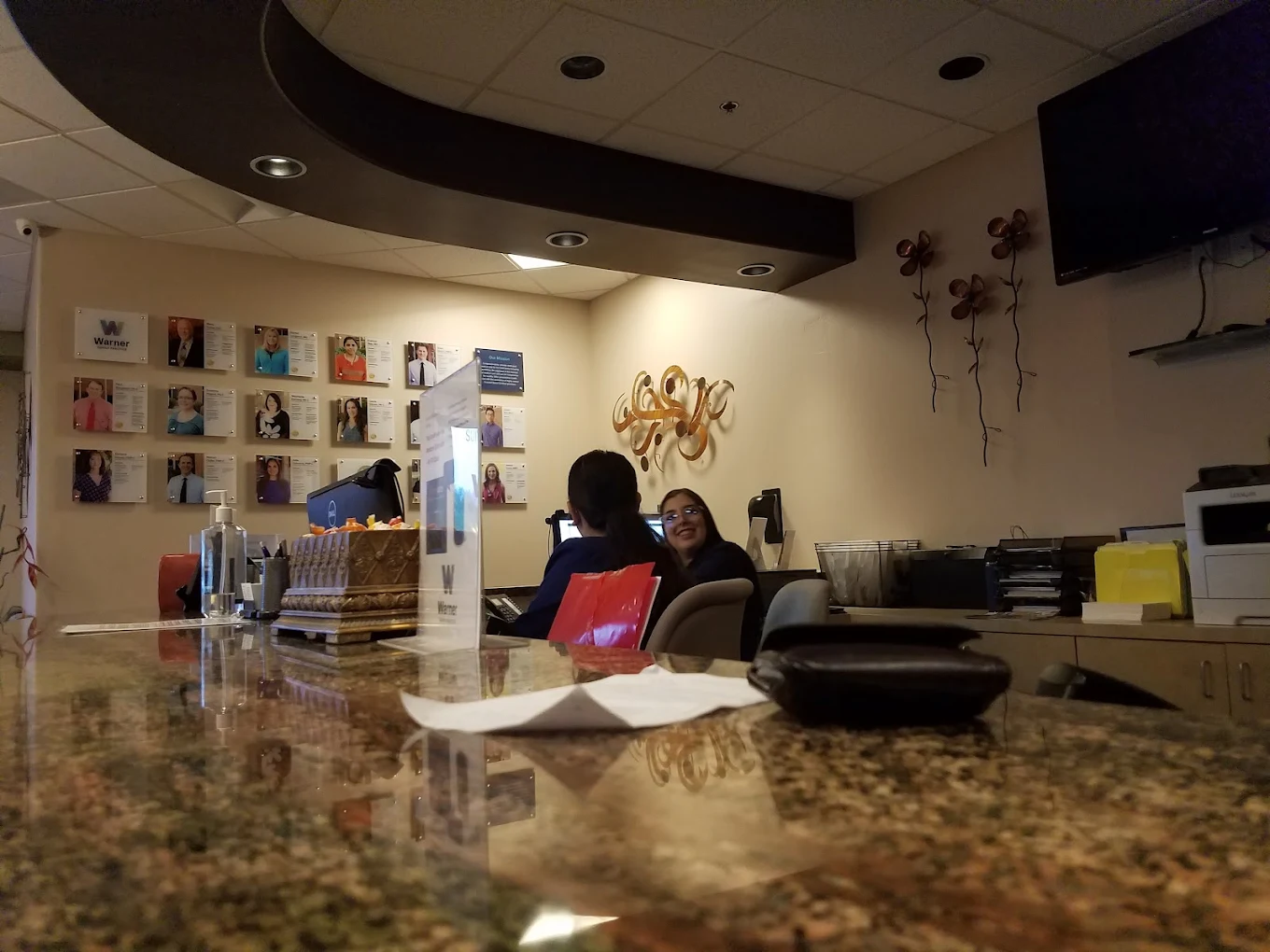
A look at where you will be seen.

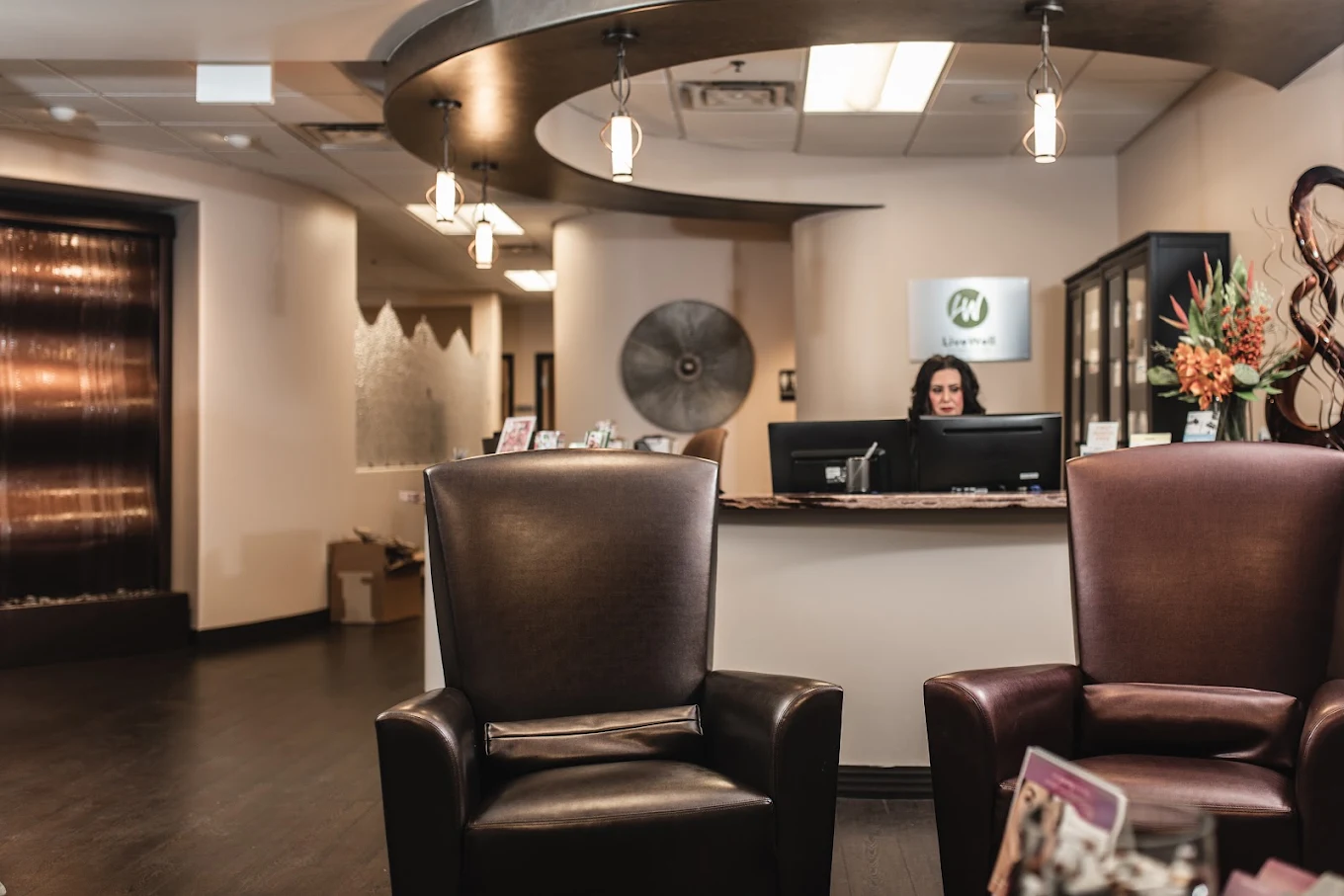
Live Well Wellness Center
2905 W Warner Rd, Suite 25
Chandler, AZ 85224
Convenient to Chandler, Gilbert, Tempe, Mesa, Scottsdale and Phoenix. Open Monday to Friday, 9:00 AM to 5:00 PM.
Start with a conversation about your symptoms and goals, and we will tell you honestly what we can offer and what the research shows.
Last updated October 18, 2026. This page is for general information and is not medical advice. Individual results vary.